

TMJ Treatment Rock Hill
Relieve Chronic Jaw Pain

If you place your fingertips just under your ears and open your mouth, you’ll feel something moving. These are the temporomandibular joints (TMJs) that connect the lower jaw to the rest of your skull; they’re also what allow you to eat, speak, and smile comfortably. If there’s a problem with your TMJs, the result could be serious pain and even a loss of mobility in your jaw. To avoid such issues, call Ross & Sourlis Family Dentistry of Rock Hill to schedule a consultation for TMJ treatment in Rock Hill if you notice the symptoms of a TMJ disorder.
Why Choose Ross & Sourlis Family Dentistry of Rock Hill for TMJ Treatment?
- Personalized Occlusal Splints
- Gentle Occlusal Adjustments
- BOTOX® Treatments Available
What Is TMJ Disorder?

A TMJ disorder is a condition where your jaw joints or the tissues around them have become strained or injured. The exact cause of a TMJ disorder is different from case to case, and oftentimes it’s difficult to know exactly where it started. Common contributing factors include arthritis, injury, bruxism (unconscious clenching or grinding of the jaw), and even genetics.
Symptoms of TMJ Disorder

Our team can discover TMJ disorder relatively early on with a thorough examination of the jaw. There are a few common symptoms that can warn you that you might have a TMJ disorder, such as:
- Chronic pain that’s specifically in the jaw, face, head, shoulder, or neck.
- Constantly feeling like you have an earache.
- Hearing a popping or clicking sound whenever you move your jaw.
- Having trouble opening your mouth fully.
- Difficulty chewing.
If you notice any of these symptoms, get in touch with us as soon as you can. Ignoring a TMJ disorder could cause the symptoms to grow worse over time.
Types of TMJ Treatment
Because TMJ disorder can have various causes, there are also many different types of treatment that we might recommend depending on the situation. Here is what we will likely suggest if we confirm that a TMJ disorder is the source of your jaw pain.
Occlusal Splint
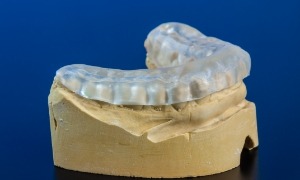
An occlusal splint is an oral appliance that is made to hold the upper and lower jaw in a more relaxed position. This allows your TMJs to rest and recover, reducing your chronic discomfort as a result. Occlusal splints also protect your teeth from bruxism, a condition commonly linked to TMJ disorders.
Equilibration/Occlusal Adjustment
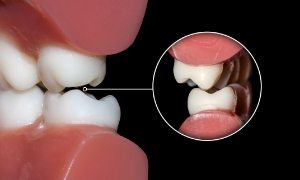
If your TMJ disorder is caused by a misaligned bite, the solution is to return harmony to your smile as a whole by making small changes to your teeth. This is known as an occlusal adjustment. Typically, it involves removing a minimal amount of enamel in specific areas of your mouth; in some cases, we might also place crowns to “build up” a tooth instead. The goal is to ensure that your two rows of teeth meet each other evenly so that the forces of your bite are properly distributed, relieving your pain.
BOTOX® for TMJ Treatment

BOTOX® is most commonly used for cosmetic reasons; however, it is also a safe and effective solution for those suffering from TMJ. Its ability to relax the facial muscles surrounding these overworked or inflamed jaw joints offers patients relief from the discomfort often caused by TMJ. There is no need to continue suffering when a safe and reliable solution exists. Keep reading to discover how BOTOX® can give you much-needed relief.
What is BOTOX®?

BOTOX® is a diluted form of botulinum toxin, a bacterium that temporarily relaxes the muscles around your TMJs (temporomandibular joints). After each injection, you will begin to notice results within three days. The good news is that its effects can last several months, offering a welcome relief from daily jaw pain.
Who is a Good Candidate for BOTOX® for TMJ Treatment?

BOTOX® is a great option for patients seeking immediate relief from jaw pain and frequent headaches. It’s also ideal for those who haven't found relief with other treatment methods.
The only way to determine whether you are a good candidate for BOTOX® is to schedule a consultation with your dentist in Rock Hill. After discussing your overall health and any medications you are currently taking, we will decide whether to move forward with BOTOX® treatment.
Generally, if you are struggling with any of the following TMJ symptoms, you may qualify for BOTOX®:
- You have lockjaw
- You have difficulty chewing and experience pain
- You hear clicking and popping when opening and closing your mouth
- You experience pain throughout your jaw
- You have limited mouth movement (i.e., difficulty yawning)
- You have earaches or tinnitus
- You experience neck and back pain
- You develop pain behind your eyes
How Can BOTOX® Treat TMJ Disorder?

TMJ disorder is often the result of a misaligned bite, teeth grinding and clenching (bruxism), stress, facial trauma, or extreme muscle tension. While other treatments (i.e., occlusal splints or occlusal adjustment) are highly effective, your dentist may suggest combining them with BOTOX® to improve your symptoms and provide temporary relief.
Relaxing the tense muscles around your jaw joints can stop unconscious movements that cause pain, giving you the relief you need to eat, speak, chew, and even yawn without discomfort. As a result, you may notice a dramatic difference in how you sleep, the kinds of foods you eat, better gut health, and increased facial comfort from BOTOX® for TMJ treatment in Rock Hill.
TMJ Treatment FAQs
Can TMJ Be Cured Permanently?
In our Rock Hill practice, we aim to provide TMJ treatment that leads to long-lasting relief. Very often, with consistent use of an occlusal splint, patients enjoy long-term symptom reduction. Their TMJ disorder (TMD) might even go away completely.
Similarly, equilibration seeks to address the underlying cause of TMD. Therefore, in some cases, it may provide permanent results.
However, keep in mind that circumstances can change. Changes in your bite, injuries, and other factors could cause TMD to flare-up again unexpectedly. You may have to visit us again for a new approach to treatment.
Is TMJ Treatment Safe?
Every treatment has its pros and cons, but by and large, the treatments we offer for TMD are very safe. We use non-invasive and minimally invasive methods that have a strong track record of success. They are also nonpharmaceutical, so there is no need to worry about drug interactions or the side effects that often come with medications.
If you ever have questions about the pros and cons of any treatment we recommend, simply ask us! We will be happy to provide honest and forthright information so you can make confident decisions about your care.
How Long Does It Take for a TMJ Splint to Work?
Some patients notice that their symptoms start to subside very quickly, often within just a few days of when they start to use their TMJ splint. However, it can take several weeks, or even a few months, for the appliance to reach its maximum effectiveness.
Be patient, and monitor your symptoms. You will likely notice a gradual reduction in jaw pain and other symptoms. If you do not experience a marked improvement within a reasonable period of time, your treatment plan may need to be adjusted.
How Long Does Occlusal Equilibration Take for TMJ?
If your upper and lower teeth are not working harmoniously together, it can place stress on your jaw joints and lead to symptoms of TMJ disorder. Equilibration aims to correct that problem by making slight adjustments to your dental restorations or the chewing surfaces of your teeth.
Very often, after just a few occlusal adjustment appointments, patients start to notice big improvements in the way their bite feels.
Can TMJ Be Treated Without Surgery?
Yes. In the vast majority of cases, patients respond well to non-surgical intervention. Responsible care providers always start with the most conservative treatment option that is appropriate for a given situation, and if it does not work well, other options may need to be explored.
If your TMD is particularly complex or severe, our team might refer you to a specialist who can explore whether surgery may be able to help.